

Getting rid of the only professional women’s basketball team in New England doesn’t grow the WNBA. It does, however, reveal the arrogance of WNBA Commissioner Cathy Engelbert and her disrespect for people, this time fans, without whom the league wouldn’t exist. The players, namely Napheesa Collier, warned us.
By Tamryn Spruill
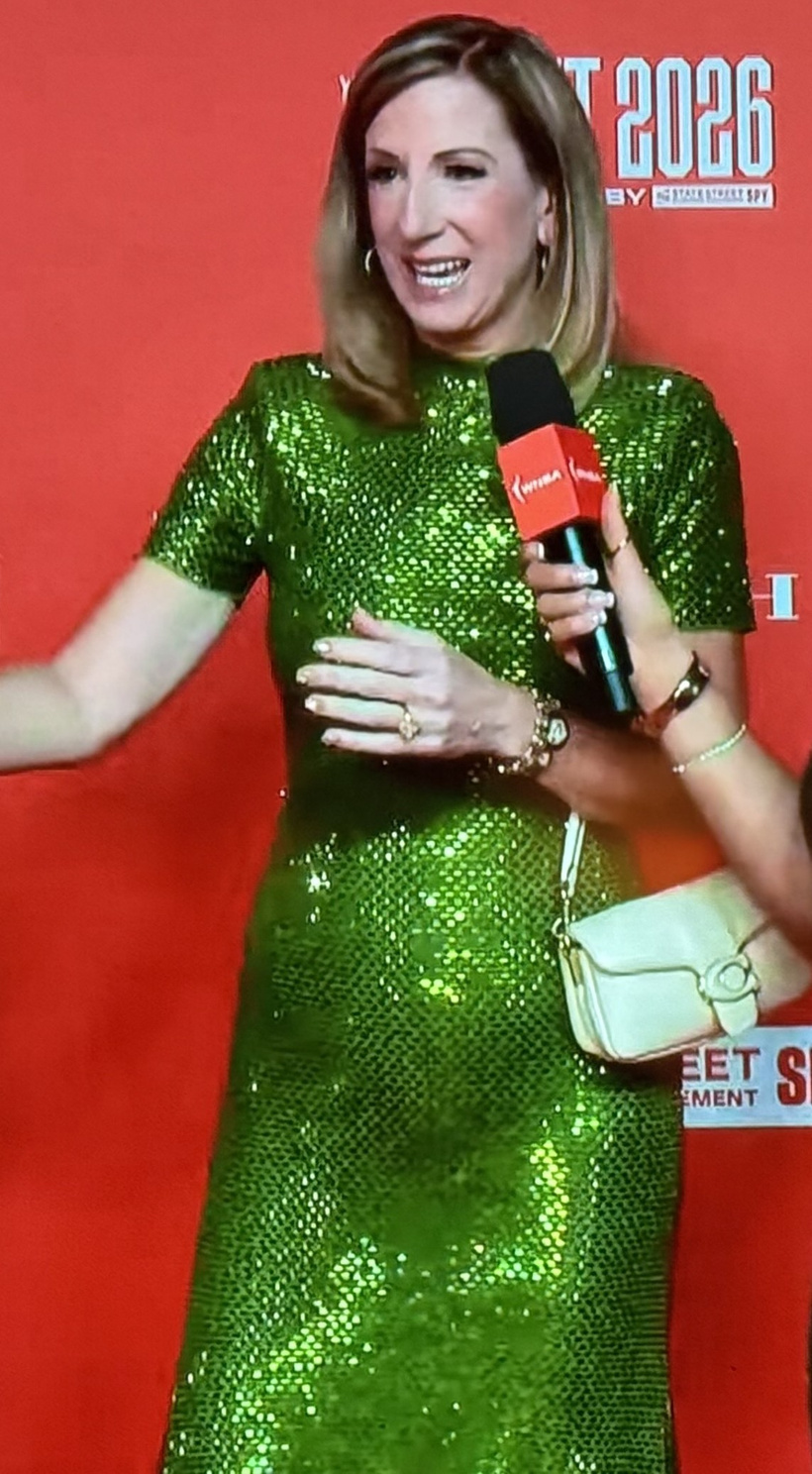 WNBA Commissioner Cathy Engelbert on the orange carpet before the 2026 WNBA Draft on April 13, 2026, in New York (Screenshot by Dani Shaw)
WNBA Commissioner Cathy Engelbert appeared on the orange carpet before the 2026 WNBA Draft on April 13 in New York City wearing a shiny, green dress. It’s not quite the shade that the Minnesota Lynx, Dallas Wings, or Seattle Storm are known for, but comes pretty close to the verdant hue of the Boston Celtics. Was this a troll job against New England basketball fans who are displeased with her choice to strip the region of its only professional women’s basketball team?
It seems farfetched, unless you consider that we live in an era of political cosplay in which anything seems possible — the wonkier the better. In strong-arming an Indigenous group into accepting less than top dollar for the Connecticut Sun, stripping a WNBA team from an entire geographic region of fervent fans, and driving countless people out of their jobs in the process, Engelbert has displayed an unacceptably blasé, if not callous, attitude.
People are naturally angry and the commissioner’s draft night comments did nothing to cool their ire.
“We did not receive a bid from the Boston/New England market,” Engelbert said in a news conference, according to Madeline Kenney on X. “I would say to the fans, support CT Sun this season and it’s a great basketball state obviously… stick with us, stick with the WNBA, we know that fandom won’t go away.”
Engelbert lost the respect and credibility of the players during the months of CBA negotiation. She is now giving fans cause to turn against the league. How could they not? Engelbert is taking one of the nation’s wealthiest sports markets for granted and the hardworking fans who make it up. Responses to Kenney’s reporting included calling Engelbert a liar and a clown, stating emphatically their intention to “[walk] away when the Sun leave,” and checking her arrogance with a simple question: “She knows that fandom won’t go away?”
NSFW comments exist but were omitted from this reporting.
What follows is a deep dive of the WNBA’s ugly treatment of the Mohegan Tribe, the possible political motives behind her desperation to put a team in the hands of Tilman Fertitta, and reasons to believe Engelbert is fully aware that her decision is wrong-headed and damaging.
It is now on the WNBA Board of Governors to reject the sale and relocation of the Sun.
The Board of Governors must not approve any deal that strips an entire region of a team, especially a successful one. Allowing this to happen would be a regression to the woes of WNBA past and portend dark days for the league’s future just as its health has begun to stabilize. In a four-part series, The Hard Screen examined the full shameful debacle—from the after-hours announcement and bridges burned in Boston to a possible motive for Engelbert’s eagerness to stick it to Massachusetts and related red flags surrounding Fertitta.
Part I. That After-Hours News Drop
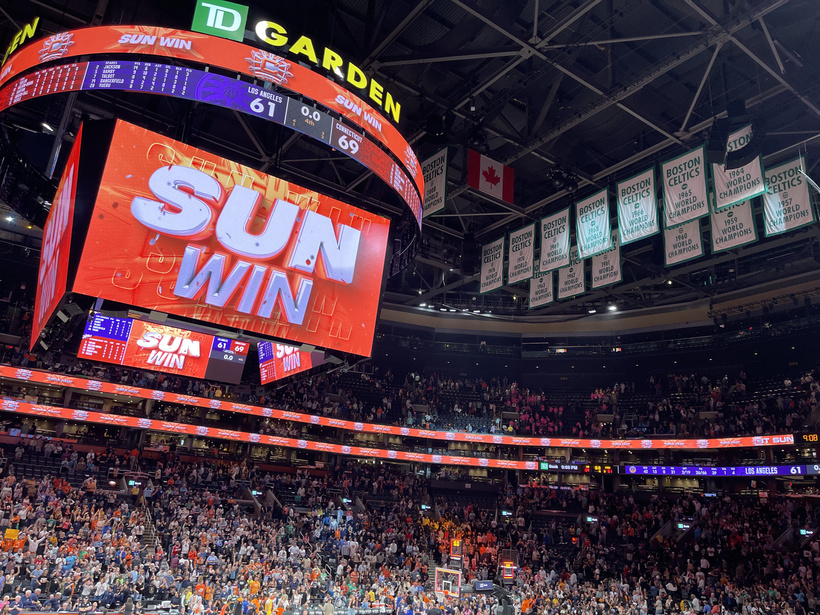
In August 2025, WNBA Commissioner Cathy Engelbert wouldn’t let the Mohegan Tribe accept a $325 million offer from Celtics minority owner Steve Pagliuca to take ownership of the Connecticut Sun and relocate the team to Boston, where Sun sold out the storied TD Garden two years in a row. Pagliuca even sweetened the deal with a promised investment of an additional $100 million to build a new practice facility for the franchise.
News of the Sun sale hit at dinnertime on Friday, March 27, 2026, amid swirling headlines about CBA provisions and free agency, and a night of NCAA Women’s Tournament Sweet Sixteen matchups ahead.
In 2027, New England won’t have a professional basketball team for the first time since 2003. Boston has never had one. She wanted the team in the hands of Houston Rockets owner Tilman Fertitta, who paid $300 million.
Engelbert is an elite business mind. So what’s really behind her decision to rid a six-state region of its only WNBA team? Why Fertitta and Houston? Why did she dribble the news into the weekend using the strategy of a previous owner of the Houston Comets, who was casually known as “the chainsaw guy”?
Timing is everything, and releasing news after 5 p.m. on a Friday when outlets are operating on weekend skeleton crews means one wants information buried. The tactic is terrible for optics—giving as it does the impression that someone wishes to conceal information.
Hilton Koch, former owner of the Comets, set the standard in 2008 for after hours news burial. Koch had only bought the franchise the year before from Leslie Alexander, who was offloading both his NBA and WNBA franchises. Koch, a local furniture store owner with zero sports management experience (but having national recognition as a television pitchman) quickly found himself in over his head.
WATCH: “Chainsaw Guy” Visits Conan
While the world was watching the ceremony to open the Beijing Olympics on August 8, 2008, with the WNBA’s best players including some from Houston, in China to compete, Koch posted an open letter to fans on the team’s website explaining that he’d relinquished control of the team to the league. In subsequent interviews, Koch claimed that he tried to avoid giving up the franchise but was left with no choice after his requests for assistance from the league and then President Donna Orender were largely met with silence.
News of the Sun sale hit at dinnertime on Friday, March 27, 2026, amid swirling headlines about CBA provisions and free agency, and a night of NCAA Women’s Tournament Sweet Sixteen matchups ahead.
Engelbert, thus, knew her decision wouldn’t be a popular one and she did nothing to lessen the blow—treating Boston fans, who sold out TD Garden two years in a row, and elected officials in Massachusetts, Connecticut, and Rhode Island with callous disregard.
Part II. Keesuk Pride: The Tribe That Saved a WNBA Franchise
The Mohegan Tribe saved a WNBA franchise and doesn’t get enough credit for it.
The Tribe—which bought the Orlando Miracle on January 28, 2003, moved it to Uncasville, Connecticut, and rebranded it the Sun—has never received enough respect for what it did for the WNBA at a time of waning support.
The Miami Sol and Portland Fire folded in 2002, just two years after their rise. Had the Mohegan Tribe not stepped in, the Orlando Miracle would’ve folded. The Sun brought in the best players and coaches and operated the team successful for more than two decades. Now, in 2026, multiple states and ownership entities clamored for the team—to keep it in New England where it had flourished. WNBA Commissioner Cathy Engelbert denied the Tribe the ability to sell to a buyer of its choice, one invested in protecting the franchise’s history and legacy.
The Mohegan Tribe was the first Indigenous ownership group of a professional sports franchise in the U.S. and the first WNBA team to be owned by a non-NBA entity.
The thanks they received for their contributions to the WNBA’s success was being strong-armed into selling to Tilman Fertitta for $300 million, who would move the franchise to Houston. The Mohegan Tribe had been offered $325 million by Celtics minority owner Steve Pagliuca to move the team to Boston, where it’d play at the TD Garden. Pagliuca even offered an additional $100 million to put toward construction of a new practice facility. Engelbert killed that deal.
We are all worse for witnessing a white woman brazenly denying an Indigenous group autonomy in a money-making venture. At least at The Hard Screen, we’re disgusted by the fact that many amazing people will lose their jobs whereas a move to Boston might’ve kept people employed.
The harsh treatment of everyone involved with the Sun harkens back to New England’s long history of running afoul of the league.
READ: Keesuk Spirit
Troubles began in 1998 when the American Basketball League (ABL) collapsed, and along with it, all of its teams including the New England Blizzard.
Richard Blumenthal, then the Attorney General of Connecticut, opened an investigation into whether the NBA engaged in unfair competition—specifically into whether the NBA sabotaged the ABL’s efforts to secure television deals and product sponsorships—to quicken its demise. Blumenthal, who is now a U.S. Senator, in the 1990s accused the NBA of using “sharp economic elbows to exclude the ABL … from fair play.”
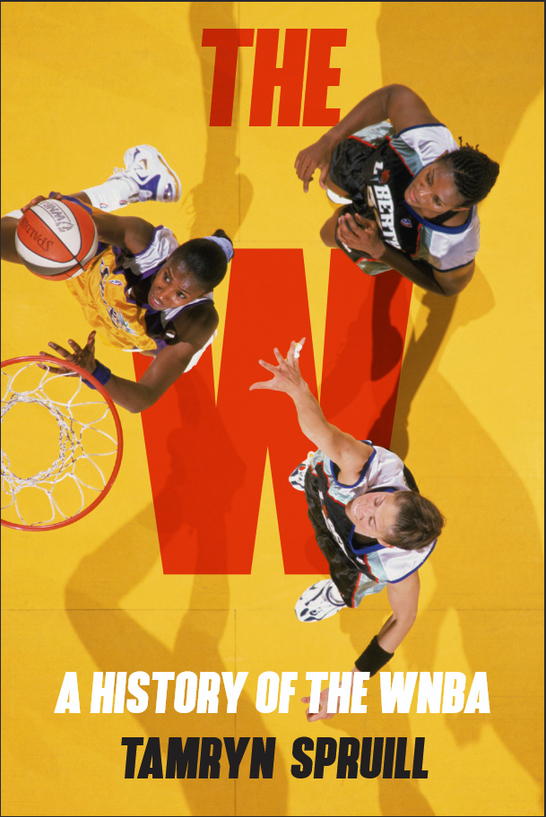
He took interest in the Blizzard’s shuttering because of its impact to the local economy and even sought to negotiate with the NBA to bring a WNBA team to Connecticut. “The NBA wouldn’t alter its requirement that WNBA teams be tethered to existing NBA franchises,” I reported in The W: A History of the WNBA (Abrams Press, September 2026). But there was more.
The NBA was peeved about the bad press derived from the investigation. Jeffrey A. Miskin, the NBA’s chief legal officer at the time, displayed the league’s vindictive streak in calling Blumenthal’s efforts to get a WNBA team “inappropriate” given his office’s “investigation of what they have very publicly described as possible unlawful activities by the NBA,” according to The W. In other words, the NBA was out to punish Connecticut.
The franchise said in a press release on Monday, March 30, that it will use the final season for “reflection of Mohegan’s forward-looking vision to bring a professional women’s basketball team” to the reservation. Sun President Jen Rizzotti said the team’s “commitment is to honor this legacy” and play the final season “with pride.”
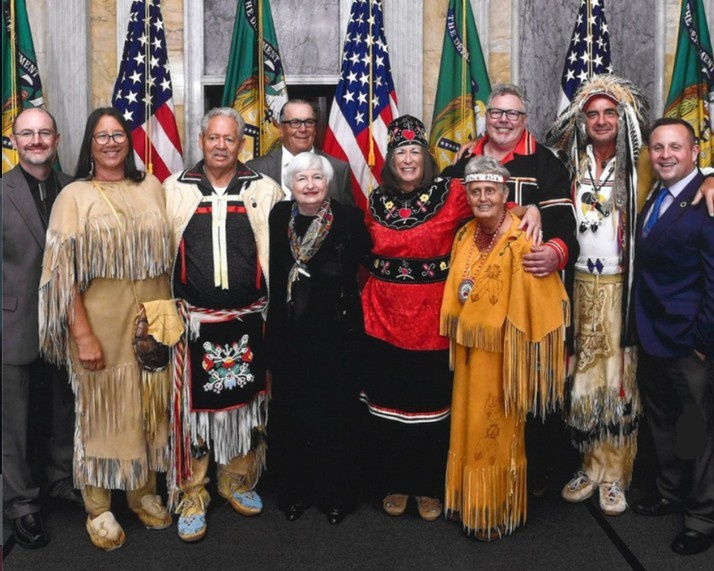 Mohegan Tribe via Instagram.
Some in the fan base aren’t feeling as diplomatic. They are angry, feel disrespected by the league, and taken for granted by Engelbert. People in this camp have written tirades on social media in which they’ve sworn off the WNBA, promising to no longer watch games on television or buy merchandise.
Part III. Engelbert Betrays Boston
Moving the Sun to Boston would’ve been an instant boon for the WNBA. In sticking it to Massachusetts with the same callous, flippant attitude that the players have cited, Engelbert has angered an entire region of fans, including Gov. Maura Healey, Boston Mayor Michelle Wu, and Donnie Wahlberg.
Engelbert messed with the wrong fan base—one that values loyalty, rarely forgives, and never forgets. Just ask Kyrie Irving.
“I’d love to see a WNBA team in Massachusetts and Boston,” Healey, who played for the Harvard women’s basketball team in her collegiate days, told The Boston Globe. “We’ve got the market, we’re a sports town, it’s clear to me it would do really, really well.”
“As a longtime Boston Celtics fan who attended countless NBA games in my lifetime, nothing would bring me more joy than to have a WNBA franchise in the city of Boston,” Wahlberg said in an email to the publication. “I look forward to the day I can walk into the Garden, along with thousands of the greatest (and most knowledgeable) basketball fans on the planet, to root for Boston’s hometown WNBA team.”
Wu championed the prospect as “amazing” and vowed that the city would work with the WNBA to make it happen. “We deserve a WNBA team here in the city,” Wu said.
That has been the case for more than thirty years, and will not change any time soon. Engelbert blocked the Pagliuca-Mohegan Tribe sale from going through, citing that “relocation decisions are made by the WNBA Board of Governors and not by individual teams.” Those pedantic details on process do not justify cutting an entire region out of the league. The WNBA Board of Governors owes it the fans in New England to disapprove the sale to Fertitta, reinstate the agreement between Pagliuca and the Mohegan Tribe to bring the team to Boston, and allow Houston to separately resurrect the Comets.
But Engelbert blocked that road and Sun President Jen Rizzotti must’ve had flashbacks to her playing days after learning the franchise was heading to Houston.
Rizzotti was the starting point guard for the American Basketball League’s (ABL) New England Blizzard when the league folded. Rizzotti entered the 1999 WNBA dispersal draft like the ABL’s other starts. She landed in Houston, where she won a title that year—but in a supporting role and for a much smaller paycheck. Fast-forward a few decades, and Rizzotti comes a revelation for the Sun.
In recent seasons, she showcased Boston’s readiness—and fervent desire—for a WNBA team.
Two sellout crowds of Sun games at TD Garden made an emphatic statement, especially because the first, on August 18, 2024, occurred before Caitlin Clark came into the league.
On that summer day, the Celtics were coming off the thrill of winning the 2024 NBA Championship, bringing an 18th banner to Boston. Jayson Tatum and Jrue Holiday also won gold medals at the Paris Olympics. Before tipoff, Alyssa Thomas, after competing in her first Olympic Games, and the other gold medalists in attendance received a rousing ovation. Tatum and Holiday, with his children next to him, watched the Sun-Sparks matchup from courtside seats.
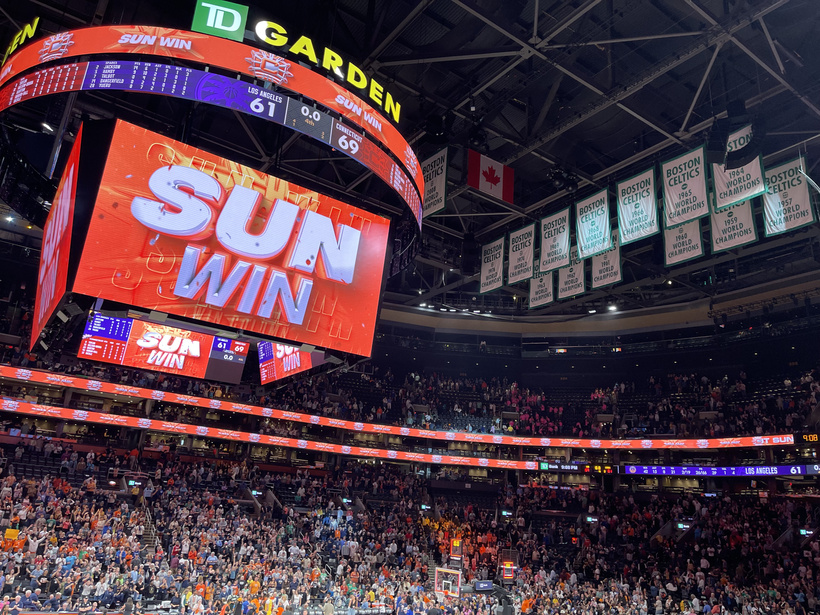 The first WNBA game at TD Garden in Boston, Mass., on August 18, 2024. Photo Credit: Dani Shaw.
If Engelbert’s motive was to grow the league as she has repeatedly stated, the first-ever WNBA game at the historic TD Garden would’ve been on national television with NBA and USA Basketball crossover. But the Sun didn’t need the league’s help to sell out the arena; it did that on its own with support from the Celtics.
“Look around, it’s insane in here,” DiJonai Carrington said after the win. “To be able to do this in a city that’s not even our hometown, on a Tuesday night, like this is crazy. And thank you to the city of Boston for showing up and showing out for us.”
This is the hype the league could’ve used.
The zipped lips around it was the first clue that Engelbert had issues with the city or the region.
On July 14, 2025, the city celebrated Aliyah Boston Day. Born in the U.S. Virgin Islands, Boston attended high school at Massachusetts’ Worcester Academy where she was nationally recognized as a three-time Gatorade Player of the Year.
The 2023 No. 1 pick and Rookie of the Year used that day to announce her investment in Boston Legacy FC, the National Women’s Soccer League’s (NWSL) expansion team.
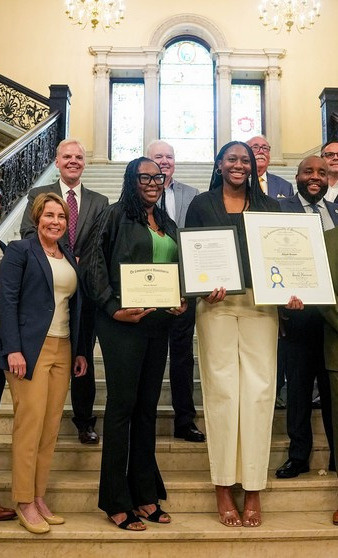 Gov. Maura Healey (left), Cleone Boston, and Aliyah Boston on July 14, 2025. | Source: Fever Instagram.
The next day, Boston and the visiting Fever defeated the Sun, 85-77, at the second WNBA Garden game before another sellout crowd.
Legacy FC opened its inaugural season at Gillette Stadium in Foxborough, Massachusetts, on March 14, 2026. Frigid temperatures, blustery winds, and a smattering of sleet didn’t dissuade fans from bundling up in heavy coats—plus Legacy scarves, hats, and hoodies—to witness history.
More than 30,000 people showed up for history that day, including Wahlberg, who performed a halftime show with New Kids on the Block, and actress Elizabeth Banks, another of the team’s investors.
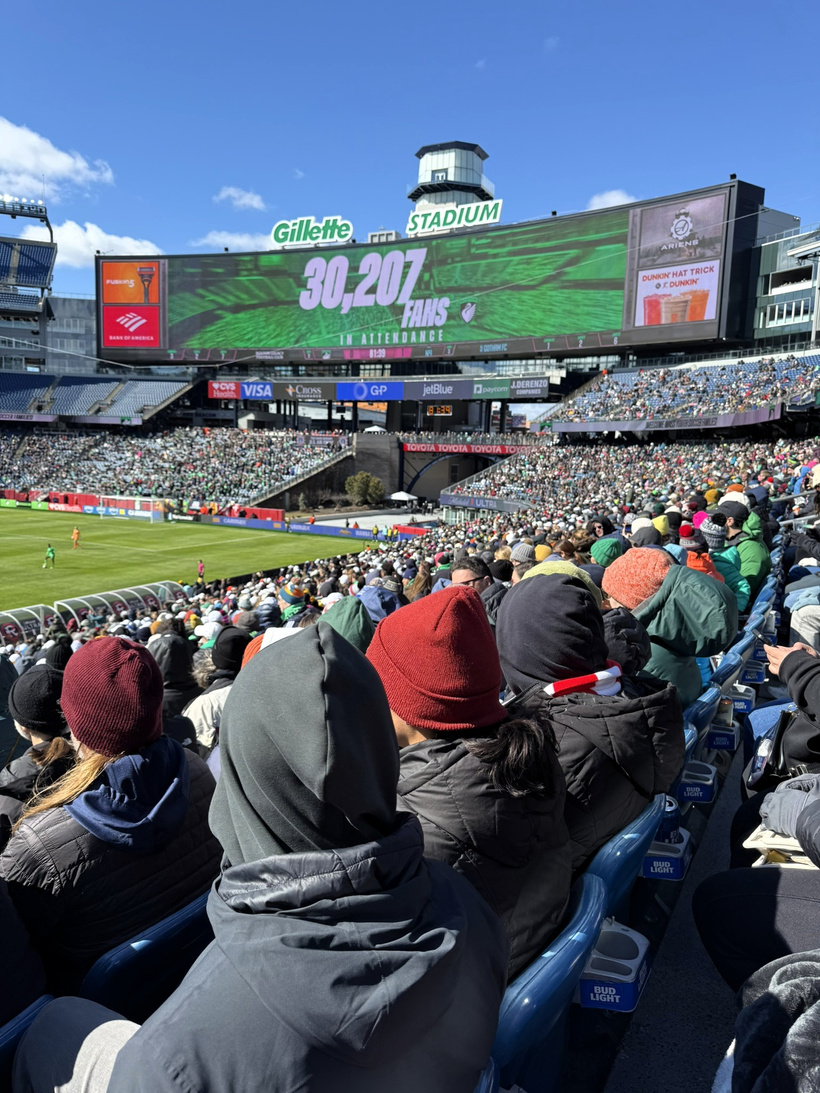 Legacy FC makes NWSL debut at Gillette Stadium in Foxborough, Mass., on March 14, 2026. | Photo Credit: Dani Shaw.
NWSL Commissioner Jessica Berman also shepherded an expansion team into Denver in 2026, but she had a ton of praise for Boston’s debut in the year of the FIFA Men’s World Cup, at an iconic stadium, and on the best grass field conditions.
“It’s hard to imagine a professional women’s sports league in the U.S. not having a team in Boston,” Berman said, an apparent dig at Engelbert. But the WNBA’s loss is the NWSL’s—and the Professional Women’s Hockey League’s Fleet’s—gain.
Fans, after all, won’t pay to be disrespected. As it is, Napheesa Collier said in September that the players “serve a league that has shown they think championship coaches and Hall of Fame players are dispensable.” The league apparently believes fans are disposable too.
Engelbert messed with the wrong fan base—one that values loyalty, rarely forgives, and never forgets. Just ask Kyrie Irving.
Part IV. A 2020 Election Backlash?
Engelbert’s heavy-handed use of her commissionership to deny Massachusetts a WNBA team and award a second franchise to a city in Texas seems politically motivated. In 2020, Kelly Loeffler was ousted from her ownership position in the Atlanta Dream; the players supported her political rival, Rev. Raphael Warnock, who defeated her in an important Georgia state senate race; the Biden-Harris ticket won the presidency; the Democrats (with Harris’s tiebreaking vote) had a majority in the U.S. Senate; and Loeffler retreated a little too quietly.
If the NFL won’t have Tilman Fertitta, why does the NBA allow him to own the Rockets given the conflict of interest with his sports betting businesses? Why would the WNBA follow suit?
When she resurfaced on January 29, 2025, as the nominee to lead the Small Business Administration and the next month was confirmed to the position of its administrator, it seemed the backlash I’d anticipated since Trump returned to the Oval Office in 2024 was on its way. In a nation defined by white supremacy, backlash has forever been the response to progress—from Black Codes in the post-Civil War South to the current federal assault on immigrants (and those assumed to be immigrants because of the color of their skin, U.S. citizens included).
The current president has openly sought retribution against enemies, real and perceived. The WNBA played a role in him losing the 2020 Presidential Election, and that was surely not forgotten. Expressly denying Massachusetts a WNBA team—the best business decision for a league professing its growth desires—aligns with Trump’s attack on the state, his critics from the region, and its billion-dollar institutions of higher learning.
If Engelbert is paying a political debt over the 2020 election, she found the right man in Fertitta: the billionaire owner of the NBA’s Rockets who was appointed by Trump to be the U.S. Ambassador to Italy and San Marino, which became official in May 2025.
Fertitta, known for the reality TV show Billion Dollar Buyer, holds ownership stakes in casino properties, a restaurant empire, and DraftKings, the online gambling behemoth. He formerly held an investment stake in the Houston Texans but was forced to relinquish his involvement with the franchise after the NFL enacted rules forbidding workers at any level from having ties to gambling.
Giving up the Texans allowed Fertitta to keep his Golden Nugget Casinos.
But if the NFL won’t have him—why does the NBA and WNBA allow owners who are attached to sports betting enterprises given the blatant conflict of interest?
The WNBA, for example, disallows active players from owning teams; permitting involvement in gambling companies is incongruous with upholding the integrity of the game. From high-profile gambling arrests in the men’s NBA and green dildos being thrown onto WNBA courts by crypto bettors—to the plethora of betting information and the commercial sponsorships of every butt scratch and sniffle now marring the game’s beauty—sports betting is already a problem for the sport and the many people who are falling into gambling addiction, including children.
Trump Ties
Citizens marched in “No Kings” rallies across the country on Saturday, March 28, to protest the federal government’s assault on democracy.
Both Fertitta and Engelbert have put money behind the regime that is now wiping its ass with the Constitution.
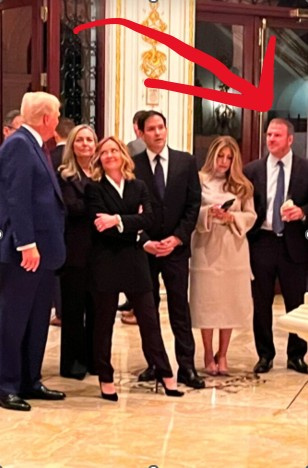 Tilman Fertitta (right) with Donald Trump and others at Mar-a-Lago in January 2026. | Source: PaperCity Mag via TikTok.
In the run-up to the 2024 Presidential Election, Fertitta—who is known for throwing lavish Mardi Gras parties—attended a private Trump fundraiser and appeared at a Space X rocket launch with Trump and Elon Musk. According to Forbes and KHOU, Fertitta donated $140,000 to Trump’s 2020 presidential bid and $5,600 to Biden’s campaign; the twenty-five times difference in donations epitomizes a failed attempt at both-sides-ism that did nothing to conceal true allegiances.
In 2020, Engelbert said the season had to happen for “existential reasons,” despite the risks posed to players by COVID-19. The players said they’d only show up if they could devote the season to social justice advocacy. The commissioner deferred to the players’ agenda on business—so that the show could go on—not on belief in the causes they supported or their choice to have BLACK LIVES MATTER emblazoned on their courts and Breonna Taylor’s name on their jerseys.
Engelbert, too, was a supporter of the Grand Old Party (GOP). In 2022, Joseph Zucker reported contributions in various amounts to Mitch McConnell, Mitt Romney, and GOP PACs between 2012 and 2016.
In criticizing the WNBA’s leadership as “the worst in the world” last year, Napheesa Collier shared a rare glimpse into the players’ frustrations with the commissioner, whose box score of missteps is filling up: fining and threatening to end the Liberty franchise over its use of chartered flights, likening the racist comments of fans to sports rivalry, and now pulling the WNBA out of New England.
“I’m not concerned about a fine,” Collier said, also acknowledging that “anything with free speech is fined” in the current political climate.
“I’m concerned about the future of our sport,” she said.
Is this influx of a fascism-adjacent owner what she meant?
Even if Collier wasn’t thinking about fascism specifically, fans and players should feel worried about the motives at play here. The WNBA has risen and fallen at the hands of people grabbing up franchises for the wrong reasons.
The Comets deserve a place to hang their quartet of banners and retired jerseys, but not at the Sun’s expense. There needs to be a place to hang retired jerseys for Tina Charles, Nykesha Sales, Alyssa Thomas, and more. Everyone wants the Comets to scorch the sky again, but not at the expense of another franchise, current players, coaches, front office personnel, and the city of Boston, which has more than paid its dues.
When asked after the draft if she wants to remain in charge of the league, Kenney reported that Engelbert “skirted” the question. “I do crack up how everybody’s focused on me,” she said. “I’m so proud of this league and our work. I’m here working really hard to make the 30th season our best ever and continue to build a sustainable economic model.”
MEMBERSHIPS. DONATIONS. MORE.