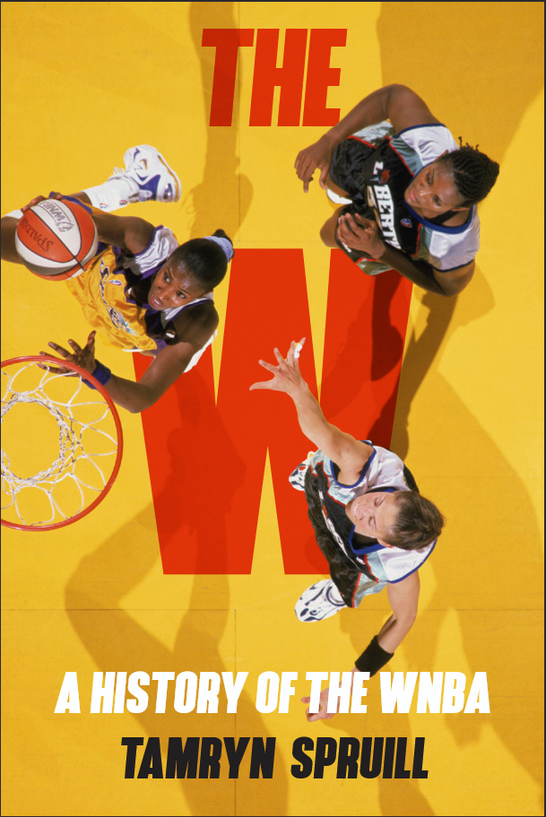
By Tamryn Spruill
Authors live physically in the present, but often simultaneously in other dimensions: a lived past, an imagined prior or future epoch, a made-up contemporary reality. The bridge between the present moment and a conjured reality is human emotion. On a Venn diagram of authorship time travel, the emotions of disparate areas share space. While working on The W: A History of the WNBA, I lived and relived the last thirty years of U.S. history—in a span of six years that felt like sixty. I traced pebbles of social progress as they ebbed and flowed across time. Since my book landed in the world, I’ve been asked to discuss my “place” in the league’s history.
As a verified INFP—and self-described word nerd who was nicknamed “Bartleby” by a dear friend in high school—the subject makes me squirm.
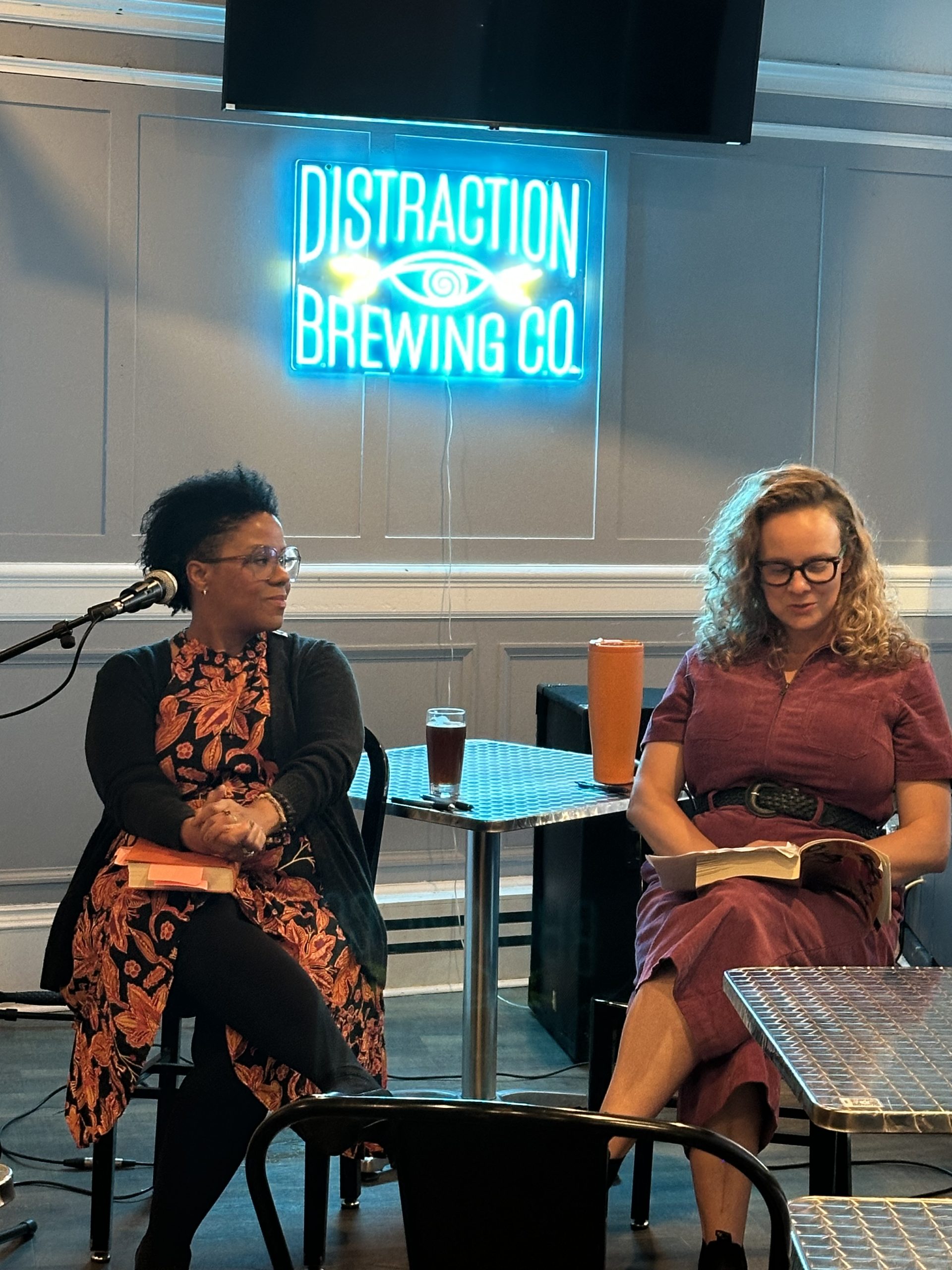
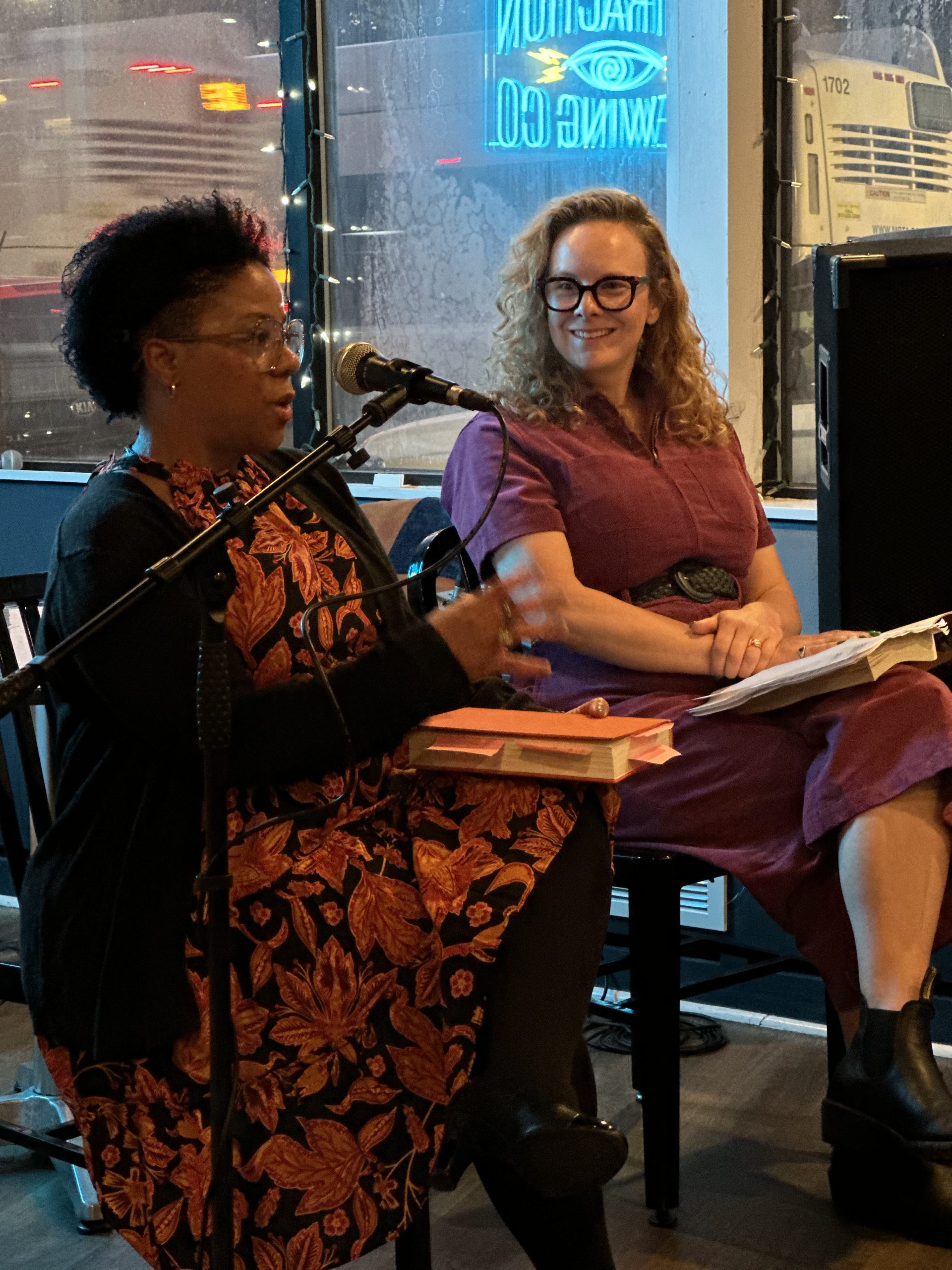
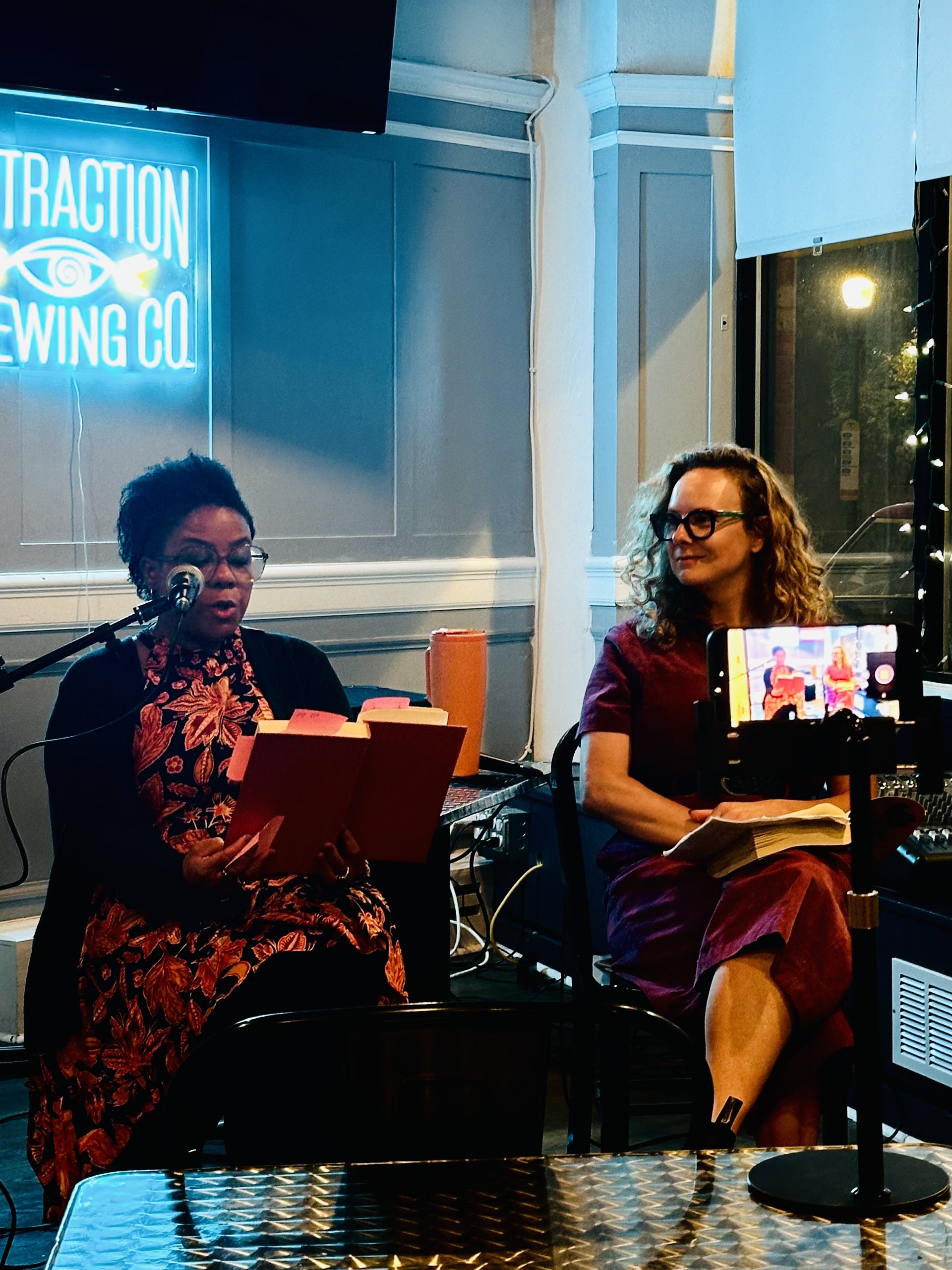
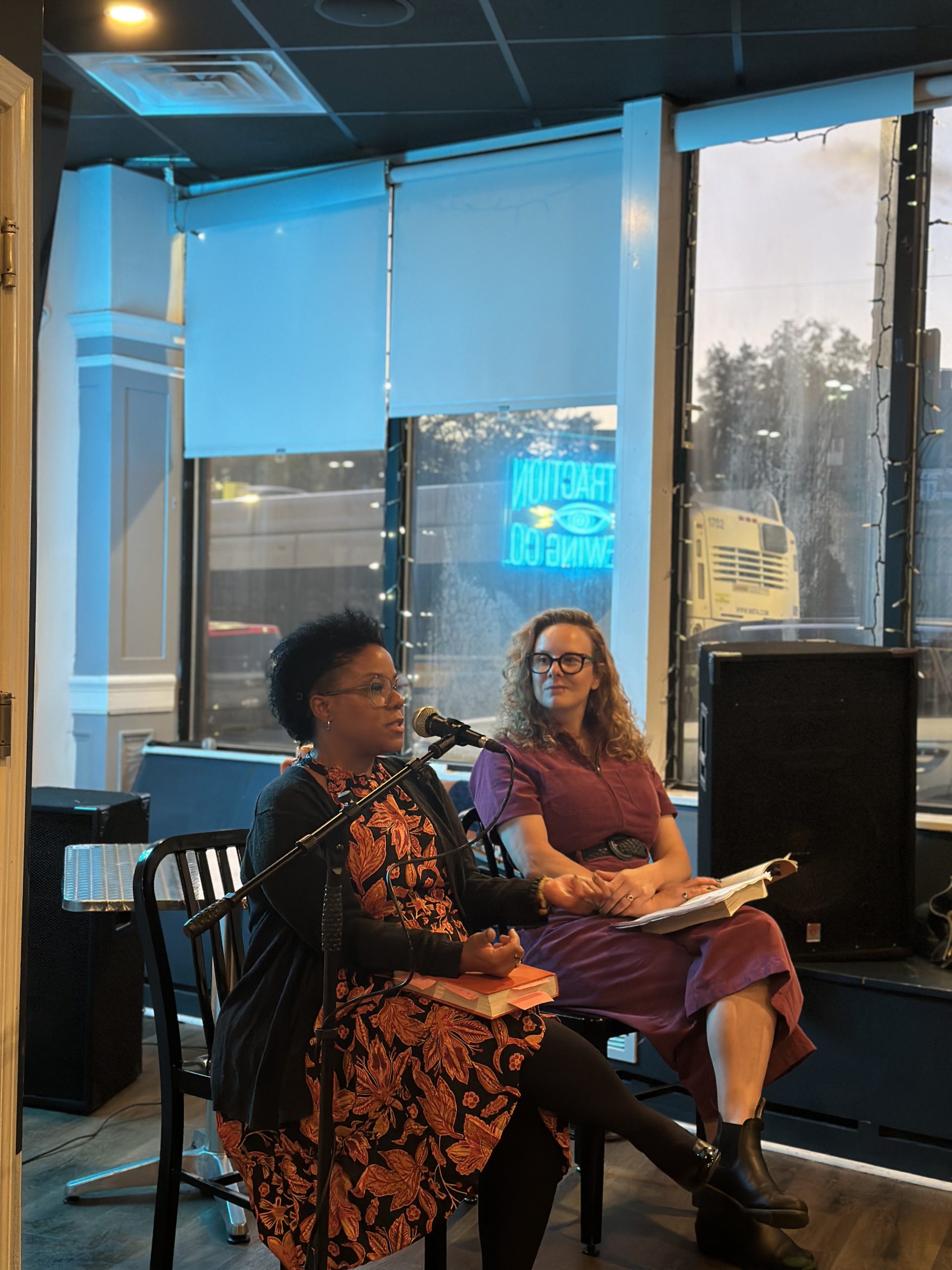
The topic has come up in recent interviews for The W. While turning a video of a bookstore talk with author and journalist Amy Littlefield into podcast episodes for The HARD SCREEN, gave more careful consideration to the question and settled on a few labels that I’m comfortable with: archivist, historian, scrivener. Anything beyond that would be outside of my purview to decide, and my “place” as an independent freelance journalist has been one of outsider—mediascape nomad. My outspokenness on toxic industry norms got me labeled a troublemaker, a weirdo, whack—thanks, Tierra, for rhyming what’s up.
Turning my talk with Littlefield into podcasts dragged me down a trail of bad memories, and contemplation about the heavy price that some people are forced to pay when they dare to set off ripples alone. For example, I imagine my life would be easier if I had managed to keep my mouth shut rather than acting, whether by speaking truth to power, legally pursuing fair wages, or starting a petition to draw attention to an internationally known basketball star’s detention in an authoritarian country at war with its neighbor. To do so would’ve required silencing the screams of my conscience and ignoring the lot of what I knew. I failed at those tasks and nearly failed at a third: mustering the courage to act alone.
“We must be headlights and not taillights,” John Lewis said.
Too often, the headlights are folks who have the most to lose from speaking out alone: folks of lower economic and social standing who are easier to distance from their own accomplishments—ultimately to erase.
“When you see something that is not right, not fair, not just, you have to speak up,” Lewis also said. “You have to say something; you have to do something.”
Even Colin Kaepernick, a high-profile figure who did “something,” peacefully, faced a damning backlash. The title of his new book, The Perilous Fight, underscores the ordeal of his professional sports career in the aftermath of choosing to follow his conscience. Kaepernick was blacklisted from the NFL, but his wealth and fame protected the losses and gains of his activist labor as his alone. It only helped him that his peers did not want to be in his shoes. What, then, does any of this mean in the context of pebbles and ripples?
Another John Lewis quote comes to mind: “It is only through examining history that you become aware of where you stand within the continuum of change.”
From 2020 to 2026 while writing The W: A History of the WNBA, I was deep in such examination—of the history of the WNBA, but also, equally, the history of the United States over the last 30 years, especially the ways in which events and trends shaped the lives of women, the BIPOC population, and the LGBTQ+ community. Too often, the names of people in these groups are left out of the historical record. If names happen to be included, they may be misspelled, which would obfuscate given proper credit where it is due. Depending on the direction of political winds, names are at risk of erasure. Naming the previously unnamed women without whom the WNBA would not exist was a big mission for The W because an inaccurate or incomplete historical record should never be left uncorrected or unchallenged. Otherwise, ripples would slow toward stasis, endangering the possibility of change.
Through the Lens
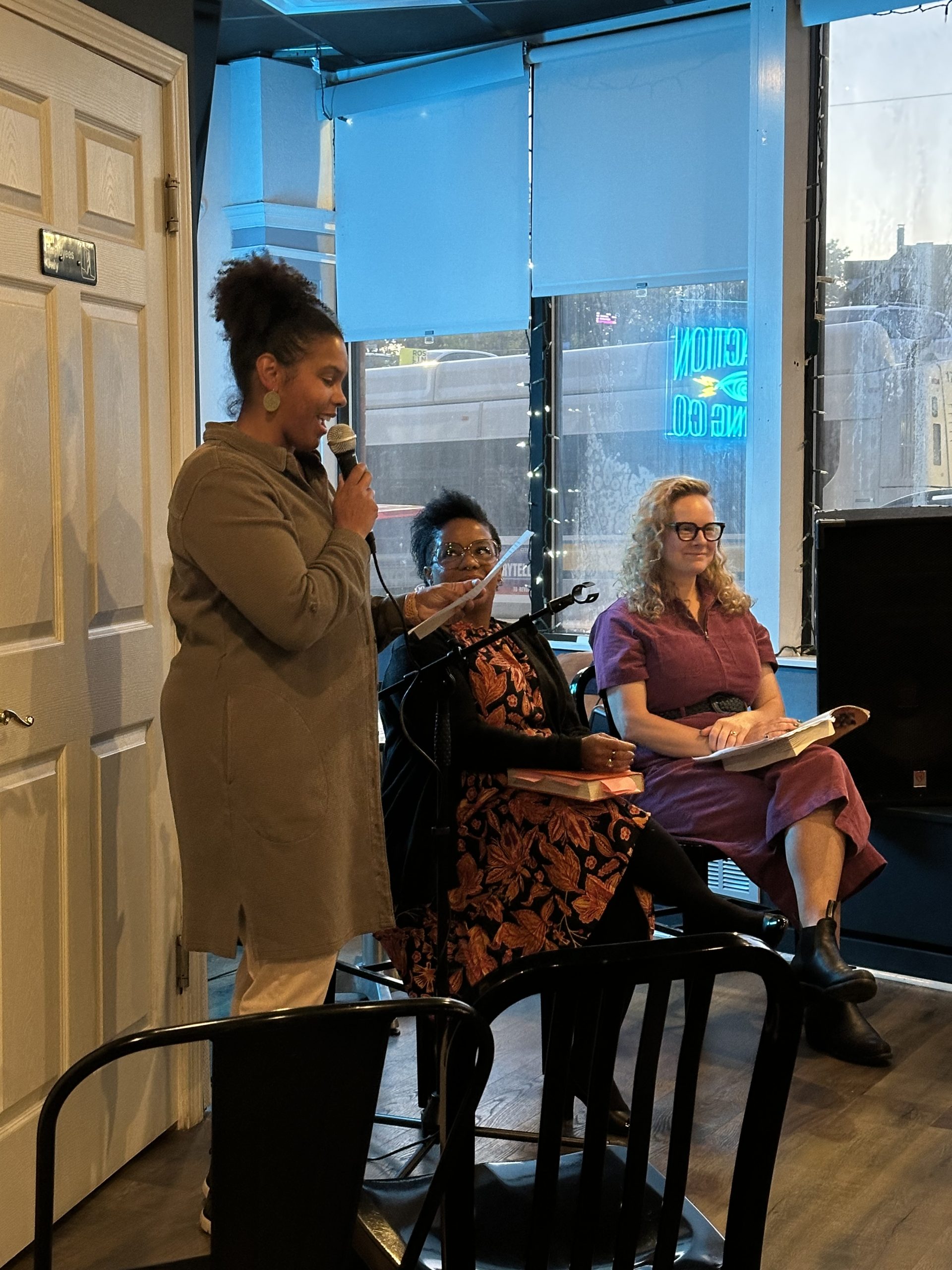
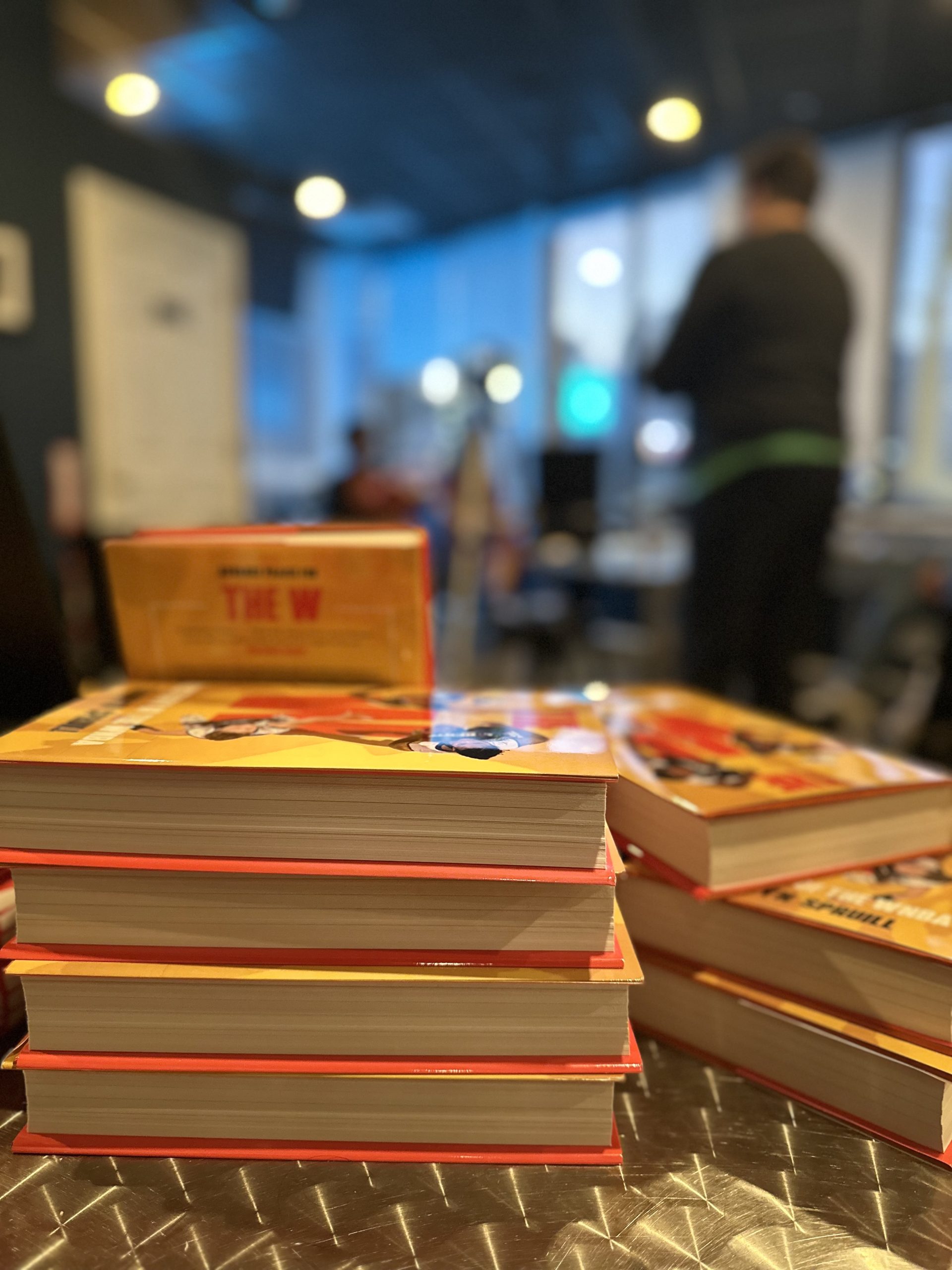
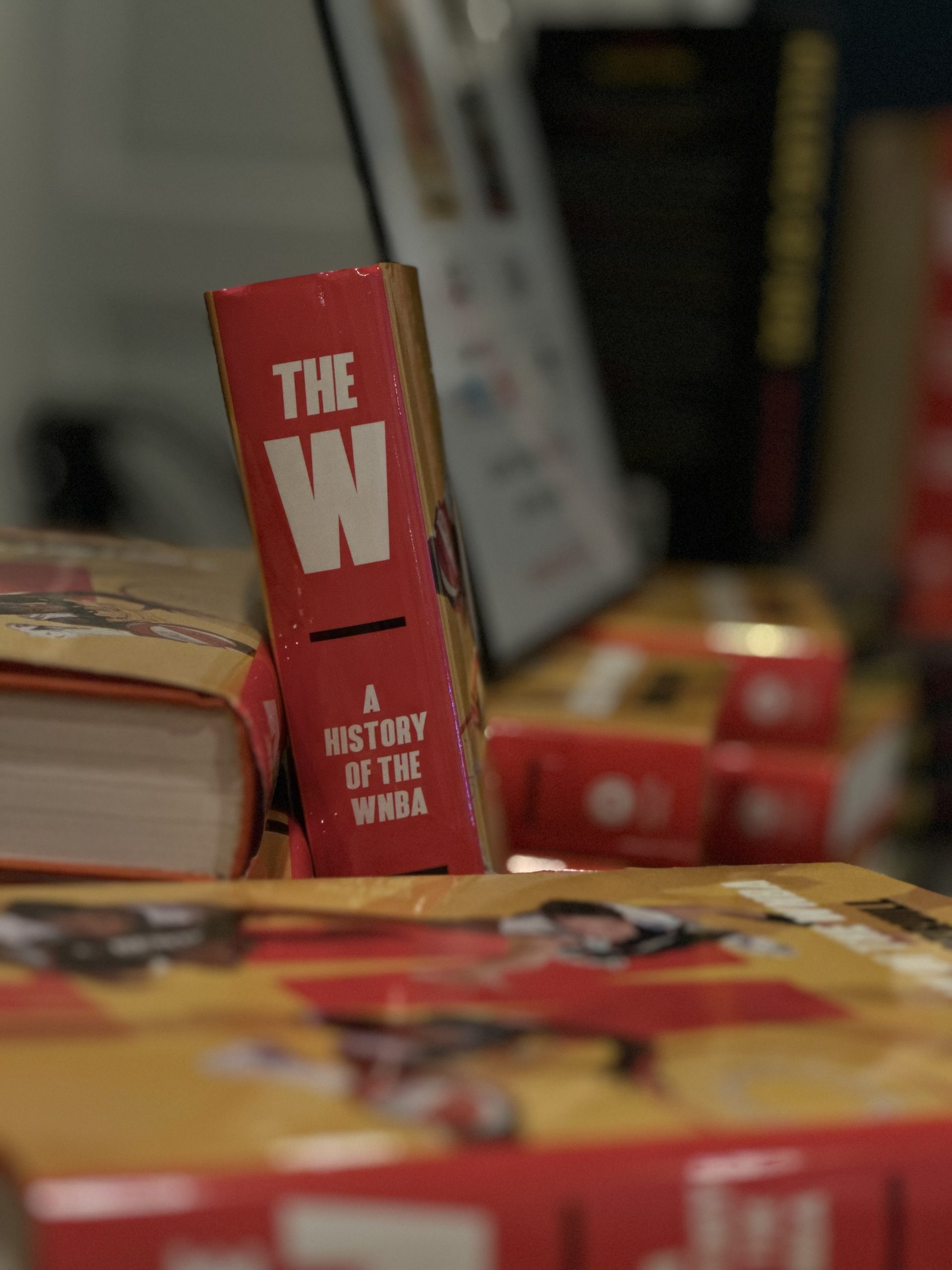
Photos of the Rozzie Bound Co-Op Bookstore/Distraction Brewery Co. event through the lens of student photographer Eleanore Planchart:
Thanks for reading (and listening)!
If you found meaning here, please show your appreciation by leaving us a tip.